
脊髓损伤(SCI)是全球导致重度残疾和神经功能丧失的严重创伤之一,常造成患者不可逆的运动与感觉障碍。由于神经元本身的再生能力有限,脊髓损伤的治疗极为困难,长期以来都是再生医学领域亟待攻克的一项难题。近年来,神经前体细胞(NPC)疗法展现出巨大的治疗潜力,但移植物存活率低、分化不可控以及神经整合障碍等问题严重限制了其临床疗效。尽管治疗细胞能够穿越生物屏障、响应生物信号并特异性靶向细胞、组织或器官,但如何在体内引导其精准定位损伤部位,并促进神经的特异性分化,仍是脊髓损伤治疗领域面临的重大技术挑战。
针对上述挑战,复旦大学智慧纳米机器人与纳米系统国际研究院/智能机器人与先进制造创新学院的陈相仲副教授,联合苏黎世联邦理工学院Salvador Pané教授、Bradley J. Nelson教授、苏黎世大学Stephan C. F. Neuhauss教授以及沈阳药科大学罗聪教授研究团队,报道了一种基于NPC的新型生物杂交微型机器人(NPCbots),该机器人具备磁控和磁电刺激的双重功能,可以实现体内磁导航和复杂生物环境中的特定神经元分化。NPCbots采用生物杂交微型结构,将人类iPSC衍生的NPC与CoFe2O4–BaTiO3(CFO-BTO)磁电核壳纳米颗粒集成,并借助微流控芯片(LoC)设备实现大规模量产。外部磁场驱动磁致伸缩CFO核心实现体内磁控导航;交变磁场(AMF)则触发CFO-BTO磁电耦合产生电输出,实现非侵入式地高效驱动NPC定向分化。相关成果以“Magnetoelectric microrobots for spinal cord injury regeneration”为题发表于Nature Materials。
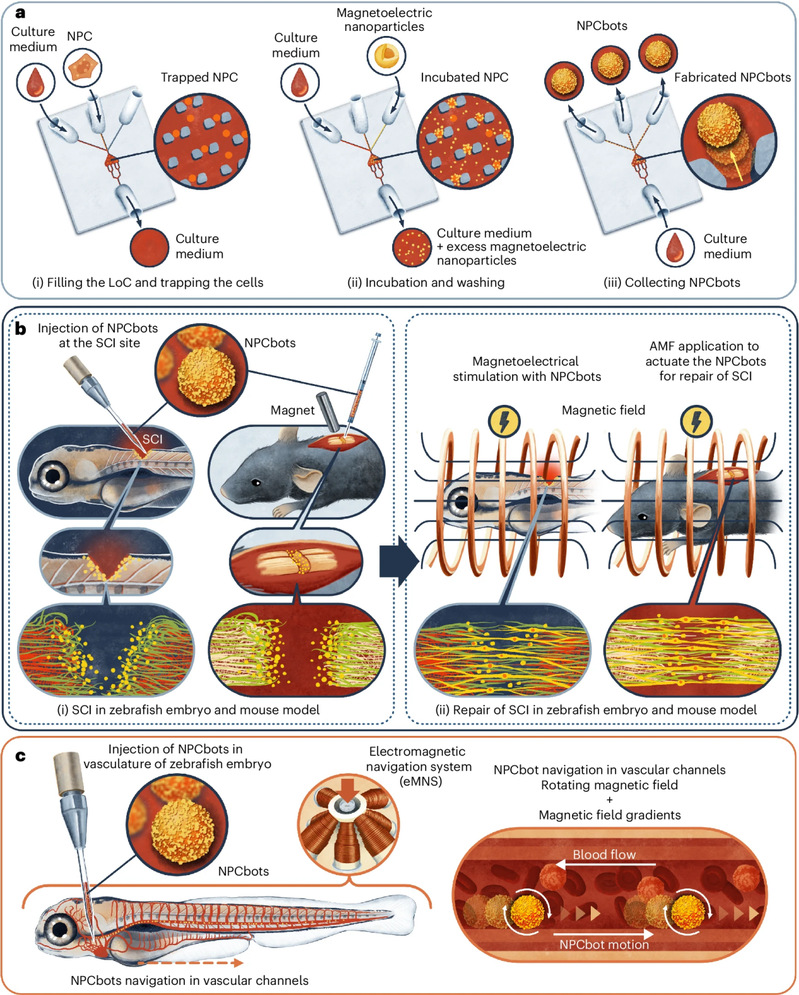
图1. NPCbots制造和应用流程示意图(图片来源于Springer Nature)
在非再生性小鼠脊髓损伤模型中,NPCbots成功实现了运动功能的显著恢复,NPCbots成功实现了后肢运动功能的显著恢复(BMS评分达3.9,步态及脚趾外展近乎完全改善)。组织免疫荧光与运动诱发电位(MEP)分析显示,病灶部位实现了明确的神经元与星形胶质细胞分化及局部连接,MEP振幅显著增强,与磁电刺激促进皮质运动系统功能重塑的修复机制高度一致。血清学及主要器官组织学分析显示肝肾功能保留、无免疫原性反应或组织损伤,证实器件具有良好的体内生物相容性和长期安全性。
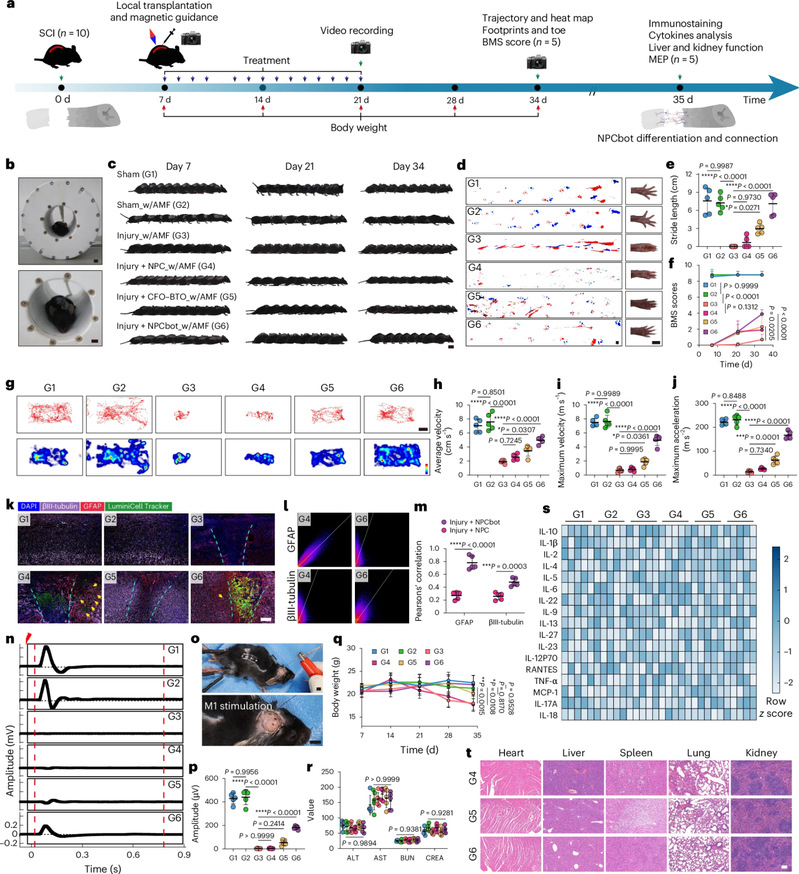
图2. NPCbots治疗小鼠脊髓损伤的疗效(图片来源于Springer Nature)
文章信息:
Ye, H., Zang, J., Zhu, J., von Arx, D., Zhao, J., Pustovalov, V., Mao, M., Tang, Q., Veciana, A., Torlakcik, H., Zhang, E., Sevim, S., Sanchis-Gual, R., Gao, Q., Chen, X.-Z., Ahmed, D., Sanchez-Vives, M. V., Puigmartí-Luis, J., Luo, C., Nelson, B. J., Neuhauss, S. C. F., Pané, S. Magnetoelectric Microrobots for Spinal Cord Injury Regeneration. Nat. Mater.,2026.
原文链接:https://doi.org/10.1038/s41563-026-02625-3.
Magnetoelectric microrobots for spinal cord injury regeneration
Recently, a study titled Magnetoelectric microrobots for spinal cord injury regeneration has been published in Nature Materials.The research was jointly completed by Associate Professor Xiangzhong Chen from the International Institute for Intelligent Nanorobots and Nanosystems, Fudan University, Professor Salvador Pané, Professor Bradley J. Nelson from ETH Zurich, Professor Stephan C. F. Neuhauss from the University of Zurich, as well as Professor Cong Luo from Shenyang Pharmaceutical University. The research team reported a type of microrobot named NPCbots, which integrates magnetically controlled navigation and magnetoelectric conversion capabilities to precisely target spinal cord lesion sites and guide the directed differentiation of neurons. In non-regenerative mouse models of spinal cord injury, NPCbots remarkably restored locomotor function. Clear differentiation of neurons and astrocytes along with the formation of local neural connections were observed at lesion sites. Meanwhile, these microrobots were verified to possess favorable in vivo biocompatibility and long-term biosafety, highlighting their promising translational potential for spinal cord injury therapy.
供稿人:黄天伦
审核:黄高山、陈相仲